
Battery chainsaws have gained popularity among homeowners and professionals due to their convenience, portability, and environmental benefits. These tools are powered by rechargeable lithium-ion batteries, eliminating the need for gas and oil, thus providing a cleaner and more sustainable alternative. Battery chainsaws operate more quietly than gas-powered models, making them suitable for use in residential areas where noise reduction is important.
They are available in various sizes and power outputs, accommodating a range of cutting tasks from light pruning to substantial tree felling. A key advantage of battery chainsaws is their user-friendly design. They are generally lighter and more manageable than gas-powered alternatives, making them accessible to users with less strength or experience.
Battery chainsaws also require less maintenance compared to gas models, as they do not need fuel mixing, spark plug replacements, or air filter cleaning. Recent advancements in battery technology have improved the performance of these chainsaws, allowing them to compete with gas-powered models in terms of capability. This makes battery chainsaws an attractive option for both occasional and professional users.
Key Takeaways
- Battery chainsaws offer portability and convenience for outdoor projects
- Consider factors such as battery life, power, and bar length when choosing a battery chainsaw
- Always wear protective gear and follow safety guidelines when operating a battery chainsaw
- Regularly clean and maintain your battery chainsaw to ensure optimal performance and longevity
- Battery chainsaws offer a quieter and more environmentally friendly alternative to gas-powered models
Choosing the Right Battery Chainsaw for Your Needs
Bar Length and Cutting Capacity
Battery chainsaws come in a range of bar lengths, typically ranging from 10 to 16 inches, with larger models available for more heavy-duty applications. For light pruning and trimming, a smaller bar length may be sufficient, while larger bar lengths are better suited for cutting larger trees and logs.
Power and Runtime
Additionally, consider the battery voltage and amp-hour rating, as these factors will determine the power and runtime of the chainsaw. Higher voltage and amp-hour ratings generally result in longer runtime and increased cutting power.
Brand, Features, and Accessories
Another important consideration when choosing a battery chainsaw is the brand and model. Look for reputable brands that offer a good warranty and reliable customer support. Consider reading reviews and seeking recommendations from professionals or other users to ensure you are selecting a high-quality and reliable chainsaw. It’s also worth considering additional features such as tool-less chain tensioning, automatic oiling systems, and ergonomic design for added convenience and ease of use. Finally, consider the availability of additional batteries and chargers, as having spare batteries can extend the runtime of your chainsaw and minimize downtime during longer cutting sessions.
Safety Tips for Operating a Battery Chainsaw
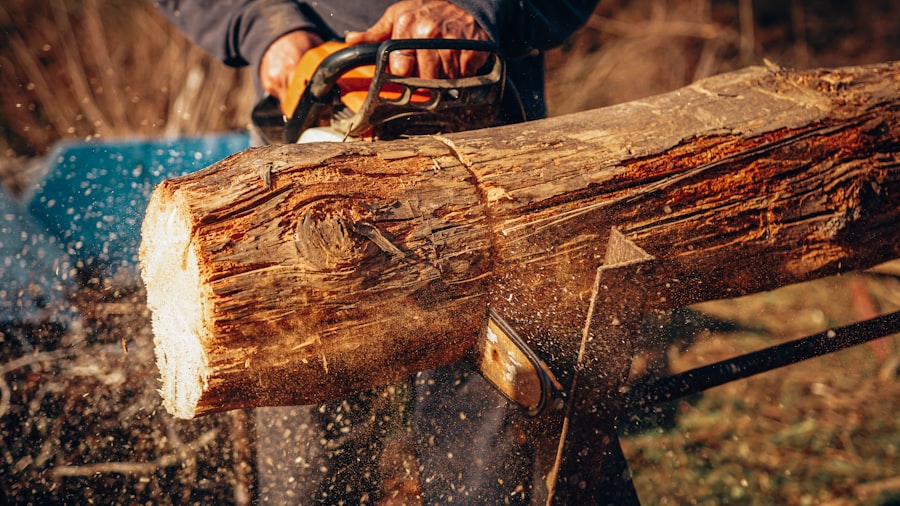
While battery chainsaws are generally safer and easier to use than gas-powered models, it’s important to follow proper safety precautions when operating any type of chainsaw. Always wear appropriate personal protective equipment (PPE), including eye protection, hearing protection, gloves, and sturdy footwear. Ensure that your work area is clear of obstacles and bystanders before starting the chainsaw, and never operate the tool above shoulder height or on unstable ground.
Always maintain a firm grip on the chainsaw with both hands and be mindful of kickback, which can occur when the tip of the bar makes contact with an object. Before each use, inspect the chainsaw for any damage or loose parts, and ensure that the chain is properly tensioned and lubricated. Follow the manufacturer’s instructions for starting and stopping the chainsaw, and never leave the tool unattended while it is running.
When cutting, be mindful of the location of the chain at all times, and avoid cutting through material that may contain hidden nails or other debris. Finally, always turn off the chainsaw and engage the chain brake when not in use, and store the tool in a secure location away from children and pets.
Maintenance and Care for Your Battery Chainsaw
| Task | Frequency | Description |
|---|---|---|
| Cleaning | After each use | Remove debris and sawdust from the chainsaw to prevent buildup and ensure proper functioning. |
| Chain Tension | Before each use | Check and adjust the tension of the chain to prevent it from slipping or becoming too tight. |
| Lubrication | After each use | Apply lubricant to the chain to reduce friction and prevent premature wear. |
| Battery Care | Regularly | Charge the battery according to the manufacturer’s instructions and store it in a cool, dry place. |
| Inspection | Regularly | Inspect the chainsaw for any signs of damage or wear, and replace any worn parts as needed. |
Proper maintenance is essential for keeping your battery chainsaw in good working condition and extending its lifespan. Regularly inspect the chain for signs of wear or damage, and sharpen or replace it as needed to ensure optimal cutting performance. Keep the chain properly tensioned and lubricated with bar and chain oil to prevent premature wear and overheating.
Additionally, clean the chainsaw after each use to remove any debris or sap buildup that can affect its performance. It’s also important to regularly inspect the battery and charger for any damage or wear, and store them in a cool, dry place when not in use to prolong their lifespan. Follow the manufacturer’s guidelines for charging and storing the battery to prevent overcharging or damage.
Periodically inspect the motor housing and handles for any signs of wear or damage, and replace any worn or damaged parts as needed. Finally, consider having your chainsaw professionally serviced on a regular basis to ensure that all components are in good working order.
Comparing Battery Chainsaws to Gas-Powered and Corded Electric Models
When comparing battery chainsaws to gas-powered and corded electric models, there are several key factors to consider. Gas-powered chainsaws are typically more powerful than battery-powered models, making them better suited for heavy-duty cutting tasks such as felling large trees or cutting firewood. However, they require more maintenance, emit fumes, and are louder than battery chainsaws.
Corded electric chainsaws offer consistent power without the need for recharging but are limited by the length of the power cord and may not be suitable for remote or off-grid cutting tasks. Battery chainsaws offer a balance between power, portability, and convenience. They are quieter and more eco-friendly than gas-powered models while offering comparable cutting performance for most residential cutting tasks.
Additionally, they are more portable than corded electric models, making them suitable for use in remote locations or off-grid cutting tasks. With advancements in battery technology, modern battery chainsaws offer longer runtime and increased cutting power, making them a compelling choice for both casual users and professionals.
Tips for Maximizing Battery Life and Performance
To get the most out of your battery chainsaw, it’s crucial to follow proper charging and storage practices.
Charging and Storage Best Practices
Always use the manufacturer’s recommended charger to avoid damaging the battery. Avoid overcharging, as this can reduce the battery’s lifespan. When not in use, store the battery in a cool, dry place, away from extreme temperatures and moisture.
Extending Runtime and Performance
Consider investing in spare batteries to extend the runtime of your chainsaw during longer cutting sessions. Regularly inspect the chain tension and lubrication to ensure optimal cutting performance and prevent premature wear on the chain and bar.
Post-Use Maintenance
Keep the chainsaw clean after each use to remove any debris or sap buildup that can affect its performance. This simple step can go a long way in maintaining the overall health of your chainsaw.
Manufacturer’s Guidelines
Finally, follow the manufacturer’s guidelines for maintenance and care to ensure that all components are in good working order. By doing so, you can rest assured that your battery chainsaw will continue to perform at its best.
Innovative Uses for Battery Chainsaws in Outdoor Projects
Battery chainsaws are versatile tools that can be used for a wide range of outdoor projects beyond traditional tree cutting tasks. They are ideal for carving and sculpting wood for artistic projects such as furniture making or wood carving. Additionally, they can be used for precision cutting tasks such as shaping hedges or trimming branches with ease due to their lightweight design and maneuverability.
Battery chainsaws are also popular for outdoor construction projects such as building fences or decks where portability is essential. Their quiet operation makes them suitable for use in residential areas without causing disturbance to neighbors. Furthermore, they are often used in landscaping projects for clearing brush or cutting small trees due to their ease of use and minimal maintenance requirements.
In conclusion, battery chainsaws offer a convenient, eco-friendly, and versatile option for a wide range of cutting tasks. By understanding their features, selecting the right model for your needs, following proper safety precautions, maintaining them regularly, comparing them to other types of chainsaws, maximizing their performance, and exploring innovative uses for outdoor projects, you can make the most out of your battery chainsaw while ensuring its longevity and efficiency.
If you’re in the market for a battery chainsaw, you may also be interested in learning about the benefits of a cordless chainsaw. Cordless chainsaws offer the convenience of not being tethered to a power source, making them ideal for outdoor use. Check out this article to learn more about the advantages of cordless chainsaws and how they compare to their battery-powered counterparts.
FAQs
What is a battery chainsaw?
A battery chainsaw is a type of chainsaw that is powered by a rechargeable battery instead of gasoline or electricity from a cord.
How does a battery chainsaw work?
A battery chainsaw works by using the power stored in a rechargeable battery to drive a motor that turns the chain around the guide bar, allowing it to cut through wood.
What are the advantages of a battery chainsaw?
Some advantages of a battery chainsaw include being quieter, lighter, and more environmentally friendly than gas-powered chainsaws. They also require less maintenance and are easier to start.
What are the disadvantages of a battery chainsaw?
Some disadvantages of a battery chainsaw include limited run time compared to gas-powered chainsaws, and the need to recharge the battery after extended use. They may also have less power than gas-powered chainsaws.
What should I consider when choosing a battery chainsaw?
When choosing a battery chainsaw, consider factors such as the battery voltage and capacity, the weight and size of the saw, the chain and bar length, and the intended use and frequency of use.
How do I maintain a battery chainsaw?
To maintain a battery chainsaw, regularly clean the sawdust and debris from the chain and bar, keep the chain sharp, and follow the manufacturer’s instructions for charging and storing the battery.